English
×

Search
A recycled ocean plastic watch is more than a conventional watch made with a different material. For a brand, it is a product-development project in which material origin, visual identity, manufacturing decisions, durability expectations, and sustainability communication must support the same story.
A recycled ocean plastic watch is a timepiece that uses reclaimed ocean-plastic material in one or more components and makes that material choice part of the product concept.
For B2B buyers, the brief should identify which component uses recycled material and how that component will be described. Carisen’s ocean-plastic category explains that reclaimed plastics can be processed into watch components with distinctive patterns and textures.
This is why watches made from recycled ocean plastic should be planned around the material itself rather than around a generic green color palette or environmental slogan.
Credibility means that the product description, visible design, and manufacturing specification tell the same material story without making broader claims than the project can support.
If recycled material is used in a particular component, the product page should explain that component clearly rather than implying that every part uses the same material. Retailers can then reuse the same precise wording in listings, packaging, and sales content.
Clear communication is particularly important because sustainability becomes part of the buying reason. A distributor should be able to explain what makes the product different without relying on broad environmental language that is disconnected from the actual watch.
Material-led design means allowing the character of the recycled material to influence color, texture, case treatment, dial styling, and the overall visual direction.
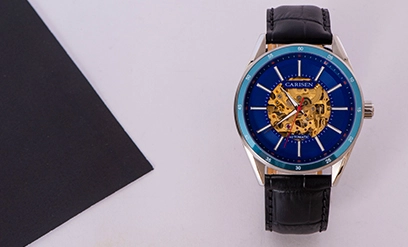
Carisen notes that ocean plastic watches can feature distinctive patterns and textures associated with recycled material. A minimalist dial can allow the material to remain visually dominant, while stronger colors can turn the case into the central fashion feature.
Dial, hands, strap, case, and packaging should reinforce the same visual direction so the material feels intentional rather than decorative.

A product comparison shows how a material-led watch changes both development priorities and the way the finished product needs to be presented.
Planning Area | Recycled Ocean Plastic Watch | Conventional Style-Led Watch |
Main product story | Material origin plus design identity | Style, function, or price position |
Design priority | Make material character visible | Achieve a selected aesthetic |
Buyer information | Material description plus specification | Product specification |
Main communication risk | Vague sustainability claims | Weak differentiation |
Best content angle | Explain what material is used and why | Explain style, features, and use case |
A recycled-material project therefore requires the brand to connect physical design with a material claim that buyers may want explained clearly.

ODM development means adapting an established manufacturing platform while controlling the visible elements that create the brand-facing product identity.
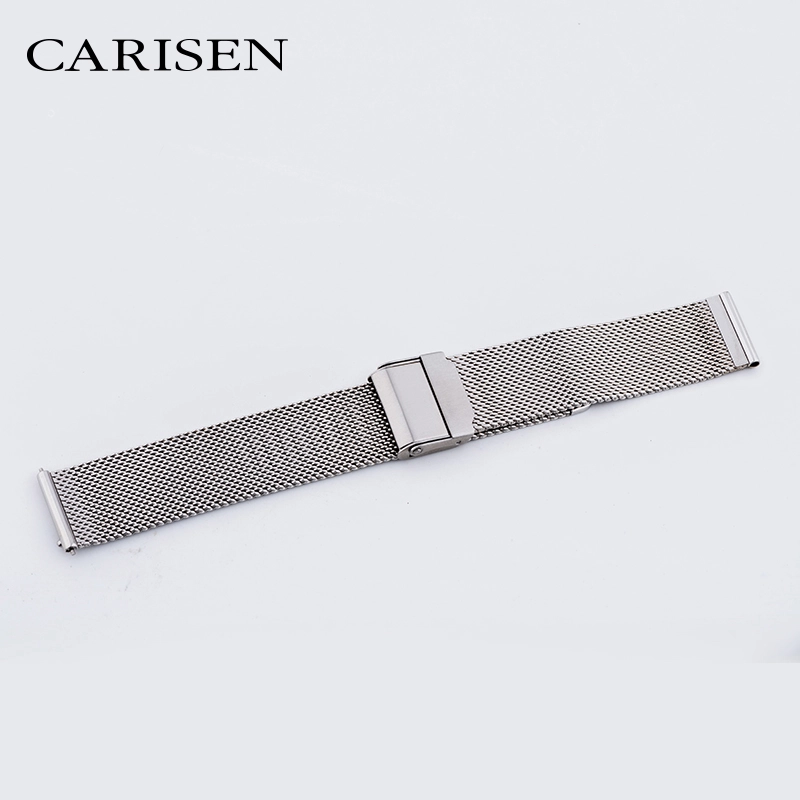
Carisen’s ODM service states that clients can customize logo or engraving, bands, dial styles, movement type, case color, and dial design. This gives the project room to build a distinctive identity without redesigning every internal component.
Working with an odm watch manufacturer can therefore help a brand keep the recycled-material concept, dial, colors, strap, logo, and packaging aligned as one product rather than managing them as disconnected decisions.

Pre-production checking means approving the finished watch as a complete product rather than reviewing recycled material and artwork separately.
Carisen states that its ocean plastic watches are designed for durability and that the material undergoes testing and manufacturing processes intended to improve strength and resilience for everyday wear. Its custom-watch guidance also recommends reviewing samples or prototypes for appearance, size, quality, and functionality before mass production.
Carisen’s custom-watch page currently states a normal lead time of 35 days and a 2-year warranty for its custom watches. It also states that DHL, UPS, or FedEx delivery normally takes around 3–7 days. These are Carisen-specific figures and should be reconfirmed for the exact ocean-plastic project rather than treated as general industry standards.
Factory capability means being able to coordinate material, design, component selection, prototyping, assembly, branding, and quality checks within one controlled project.
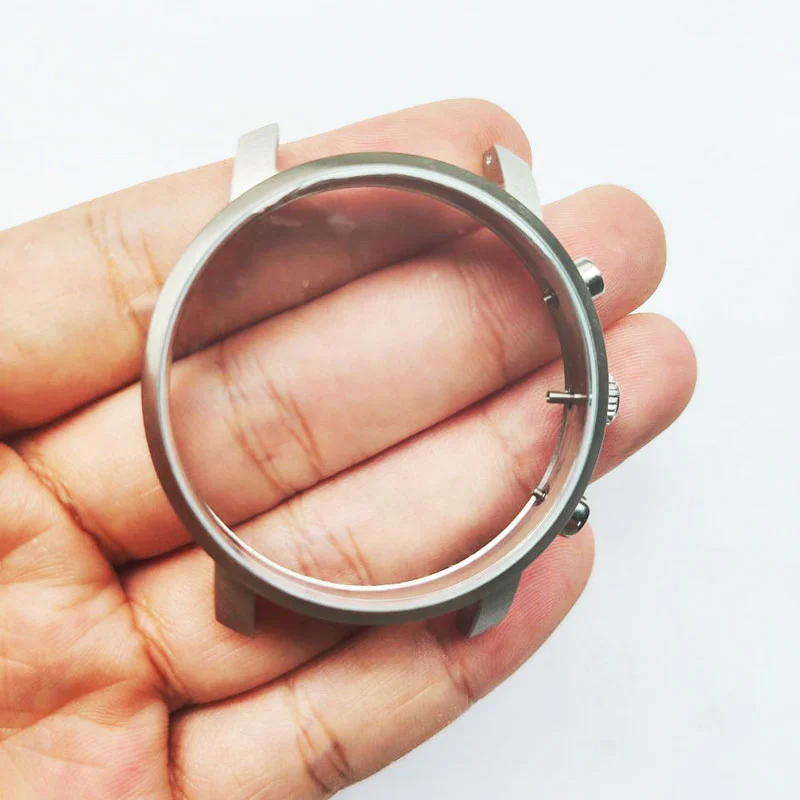
A custom watch factory should receive a specification covering the recycled component, surface character, color direction, dial, strap, logo, packaging, and functional requirements.
Carisen describes its custom-watch process through six stages: concept definition, design and development, engineering and manufacturing, production and assembly, customization, and packaging and branding. For a recycled ocean plastic watch, that sequence helps keep the sustainability concept connected to normal product-development controls.
Not necessarily. Buyers should confirm which components use reclaimed material and describe those components accurately.
Yes. Carisen presents ocean plastic watches in styles ranging from minimalist to stronger visual directions, while custom development can further adjust visible design elements.
Yes. Carisen’s ODM service states that logo or engraving, bands, dial styles, movement type, case color, and dial design can be customized.
Yes. Carisen recommends reviewing prototypes for appearance, size, quality, and functionality before production begins.
The description should identify the material and the component that uses it as specifically as the available project documentation allows.
The brief should cover the target market, recycled-material concept, intended component, design direction, movement preference, logo treatment, strap, packaging, and expected quantity.
A successful recycled ocean plastic watch is a product in which material, design, production, and communication work as one system. The brand should define what the recycled material contributes, make that contribution visible, approve the complete watch through sampling, and keep sustainability language aligned with the finished specification.
Carisen can support this process through its ocean-plastic watch category, ODM development, custom manufacturing, sampling, assembly, and branding services. The finished product should communicate its material story through the watch itself.
1. UNEP – From Pollution to Solution: A Global Assessment of Marine Litter and Plastic Pollution
https://www.unep.org/resources/pollution-solution-global-assessment-marine-litter-and-plastic-pollution
2. ISO 14021:2026 – Environmental Statements and Programmes for Products — Self-Declared Environmental Claims
https://www.iso.org/standard/14021
3. Federal Trade Commission – Environmental Claims: Summary of the Green Guides
https://www.ftc.gov/business-guidance/resources/environmental-claims-summary-green-guides